Why Winterization Matters in Kansas
Pipes, fittings, valves, heads, and backflow devices can all be damaged when trapped water freezes. The damage often isn't visible until spring startup, when leaks and broken parts show up all at once.
Water left in sprinkler lines can freeze, expand, and crack pipes, fittings, and valves. Winterizing protects the system through the cold months.
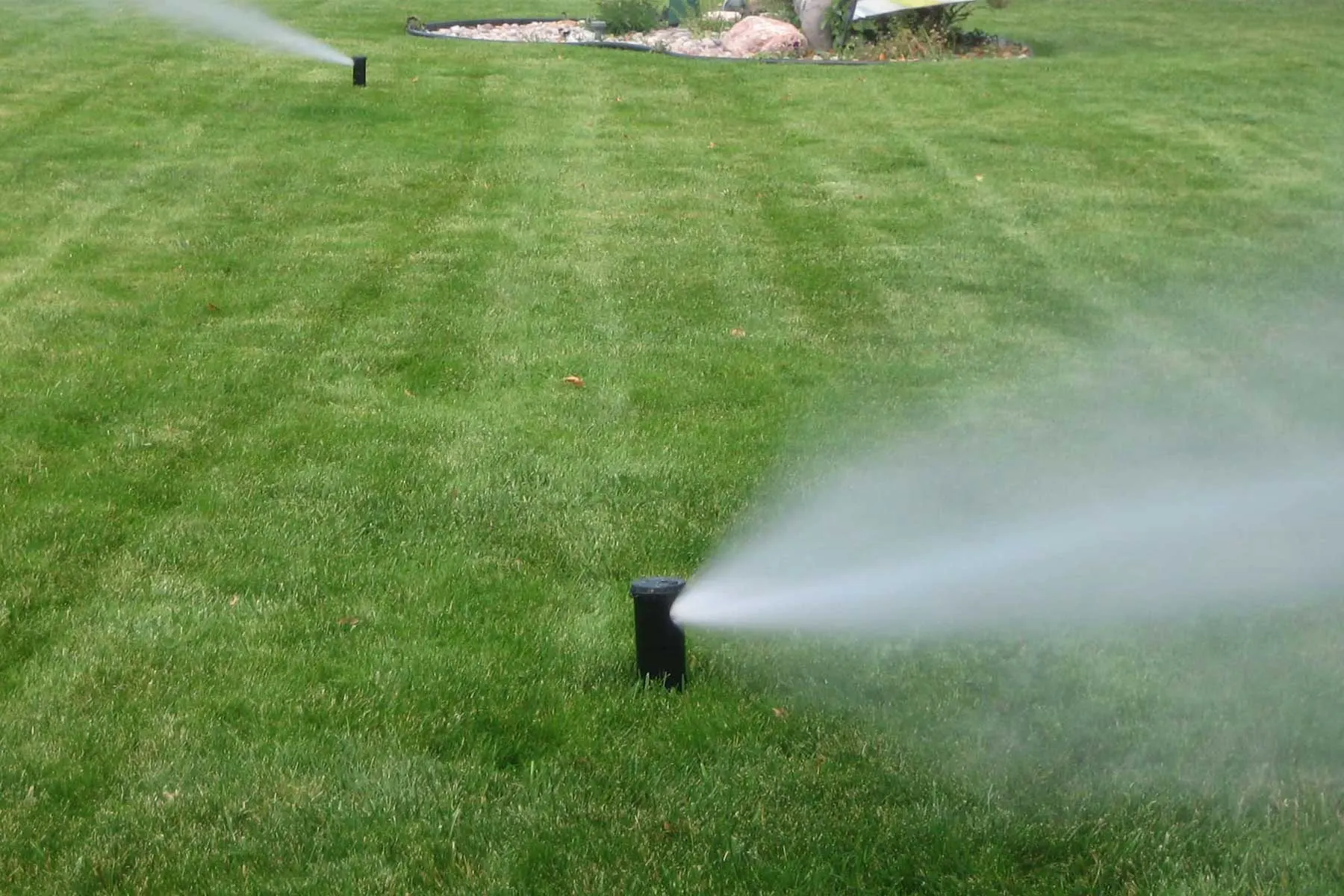
Kansas winters bring hard freezes, and an irrigation system that still holds water is vulnerable. Stonewell winterizes residential sprinkler systems throughout Wichita and surrounding communities, clearing the lines so there's nothing left inside to freeze.
A proper blowout uses compressed air to push water out of each zone, one at a time, at a pressure that's safe for the system. We also shut off and protect the water supply to the system and set the controller for the off-season. In spring, a startup brings everything back online and catches any problems early.
In the Wichita area, most systems are winterized from mid-October through November, before sustained hard freezes set in.
Fall schedules fill up. Requesting your winterization early helps you get a spot before the first hard freeze.
When the weather turns, we can bring the system back online, check each zone, and fix anything that needs attention.
Kansas winters bring hard freezes, and any water left in an irrigation system can freeze, expand, and crack components. Winterizing is the simplest way to avoid springtime repair bills.
Pipes, fittings, valves, heads, and backflow devices can all be damaged when trapped water freezes. The damage often isn't visible until spring startup, when leaks and broken parts show up all at once.
We shut off the water supply to the irrigation system, then use compressed air to push the remaining water out of each zone, one at a time, at a pressure that's safe for the system. The backflow device is drained and protected, and the controller is set for the off-season.
Too much air pressure, or running air through a system too long, can damage components, which is one reason many homeowners prefer to have a professional handle it.
In the Wichita area, most systems are winterized from mid-October through November, before sustained hard freezes. Fall schedules fill up, so requesting your appointment early helps you get on the calendar in time.
When the weather turns, the system needs to be brought back online carefully: water restored gradually, each zone run and checked, and any problems fixed before the growing season. We can handle your spring startup too.
Ready to talk about your system? Free estimates across Wichita and surrounding communities.
A locally operated, licensed, and insured irrigation company. We take the time to understand your yard and do the work right the first time.
Sprinkler systems are the whole job. No mowing, fertilizing, or side work, just focused expertise on the system that waters your property.
Zones and head placement are planned around your actual yard, so water reaches every area it should without waste.
Good components, careful installation, and clean restoration of the areas we work in, built to run dependably for years.
A clear recommendation and a clear price before work begins, plus updates you never have to chase.
Map of our service area around Wichita, KS
Sprinkler installation, repair, upgrades, and winterization across Wichita and surrounding communities.
Outside these areas? Larger projects farther out may be possible. See service area details.
It starts with a real conversation. From there, it's three simple steps to a system that runs the way it should.
Call us directly for a quick 15‑minute conversation about your yard and your system, or submit a form and we'll reach out to you. Either way, we'll listen and figure out the next step together.
We come out to your property, walk the yard (with you, if you'd like), and look at your system or the area you want covered. Then you get a straightforward recommendation and a clear estimate, with no pressure.
When you're ready, we schedule the work around you and handle everything from start to finish. Before we leave, we walk through the system with you so you know exactly how it runs.
Generally from mid-October through November, before overnight temperatures stay below freezing. The exact timing depends on the forecast each year.
Shutting off the water doesn't remove what's already in the lines, valves, and heads. That remaining water is what freezes and causes damage. A blowout clears it out.
Yes. We winterize existing residential systems regardless of who installed them.
Water left in the lines and components can freeze and crack them. Damage often shows up in spring as leaks, broken heads, or a damaged backflow device.
It depends on the number of zones, but a typical residential blowout is a fairly quick visit. We'll confirm timing when you schedule.
Send the form or give us a call. Either way, you'll get a straightforward recommendation and a clear estimate.
A few details now means a faster, more accurate estimate.
Today
By sending, you agree Stonewell may text you back about your question.